
The Complete Guide to Test Case Management in 2026

Best Practices for Test Case Management
Over the years, we've seen what separates high-performing QA teams from the rest. Here are the practices that consistently make the biggest impact:
1. Write Test Cases for Humans, Not Machines
A test case should be clear enough that a new team member can execute it on their first day. Avoid jargon, be specific about expected results, and include screenshots where the UI flow is complex.
2. Keep Your Test Library Clean
A bloated test library is worse than a small one. Regularly audit your test cases: archive tests for deprecated features, merge duplicates, and update tests that no longer match the product. A quarterly cleanup is a good cadence for most teams.
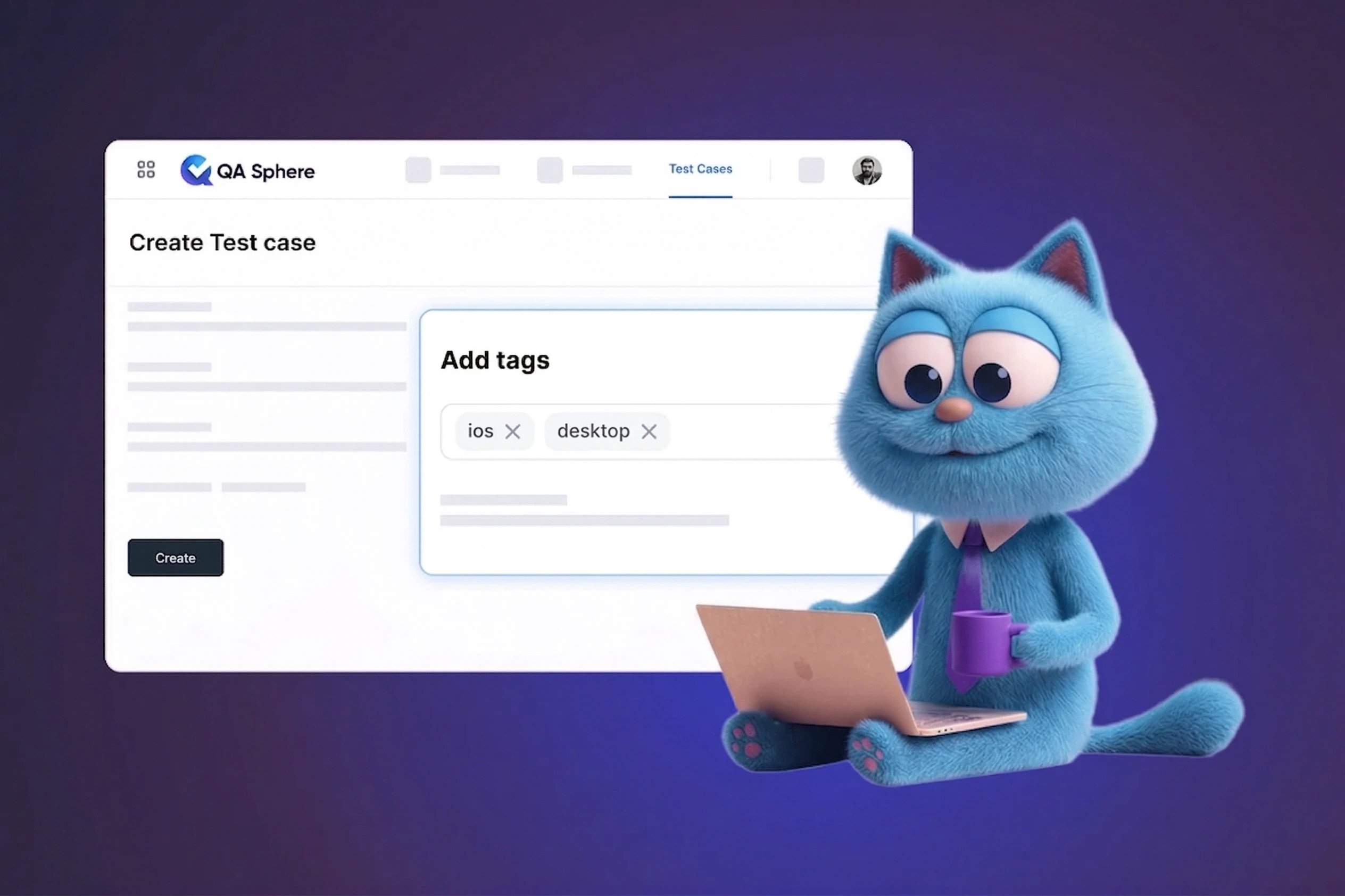
3. Use Labels and Tags Aggressively
Tags like smoke, regression, critical-path, and payments make it easy to assemble test runs in seconds. The 10 minutes you spend tagging today save hours of manual assembly later.
4. Link Test Cases to Requirements
Every test case should trace back to a requirement, user story, or feature specification. With QA Sphere's Jira integration, you can link test cases directly to tickets - so traceability is built in and compliance audits become straightforward.
5. Separate Test Data from Test Steps
Hardcoding test data (specific usernames, emails, amounts) into test steps makes tests brittle. Instead, reference test data sets or describe the data type needed: "a valid email address" rather than "[email protected]."
6. Review Test Cases Like You Review Code
Peer reviews aren't just for code. Having a second pair of eyes on test cases catches ambiguous steps, missing edge cases, and incorrect expected results before they reach a test run.
7. Track Automation Status
As your team adopts test automation, tag each test case with its automation status: manual, automated, or candidate-for-automation. This gives you a clear picture of your automation coverage and helps prioritize what to automate next.
How AI Is Changing Test Case Management
Artificial intelligence is reshaping how QA teams create and maintain test cases. In 2026, AI isn't replacing testers - it's removing the tedious parts of their job so they can focus on what matters: thinking critically about quality.
AI-Powered Test Case Generation
Modern tools can generate test cases from feature descriptions, user stories, or even API specifications. For example, QA Sphere's AI test case generator lets you describe what the feature does, and it produces a comprehensive set of test cases - including edge cases and negative scenarios that a human might miss on the first pass.
Intelligent Test Maintenance
AI can flag test cases that are likely outdated based on recent code changes, helping QA teams keep their test library current without manual audits. It can also suggest merging duplicate tests and identify coverage gaps across your test suite.
Smart Test Selection
Instead of running the entire regression suite for every release, AI can analyze code changes and recommend which tests are most relevant to run. This reduces execution time while maintaining confidence in the release.
To see AI test generation in action, read our guide on how AI writes test cases.
Conclusion
Test case management is the backbone of any effective QA process. In 2026, with faster release cycles, distributed teams, and growing compliance requirements, having a structured approach to managing test cases isn't optional - it's essential.
Here's what to take away from this guide:
- Start with structure: Define a standard test case format and organize by feature, not by sprint.
- Outgrow spreadsheets intentionally: Know the signs (3+ testers, 200+ cases, audit needs) and migrate before productivity drops.
- Build a process, not just a library: Structure, organize, own, execute, measure - repeat every sprint.
- Leverage AI: Use AI-powered tools to speed up test authoring, catch coverage gaps, and maintain your test library.
- Invest in clean data: Tags, traceability, and regular audits keep your test library valuable as it grows.
The teams that treat test case management as a first-class discipline - not an afterthought - consistently ship higher-quality software, faster.

Written by
QA Sphere TeamThe QA Sphere team shares insights on software testing, quality assurance best practices, and test management strategies drawn from years of industry experience.