

10 Best Test Management Tools in 2026. Pros, Cons, Pricing

8. qTest (Tricentis) - Best for Large Enterprise
qTest is the enterprise heavyweight in this list. Part of the Tricentis ecosystem, it's designed for organizations with hundreds of testers, complex compliance requirements, and testing operations that span multiple teams and methodologies.
Key Features
- Modular architecture: qTest Manager, Insights, Launch, Copilot (AI)
- 60+ metrics with drag-and-drop dashboards
- Agile, waterfall, and hybrid methodology support
- Integrations with Jira, Selenium, Jenkins, and the Tricentis ecosystem
- Cloud and on-premise deployment
Pricing
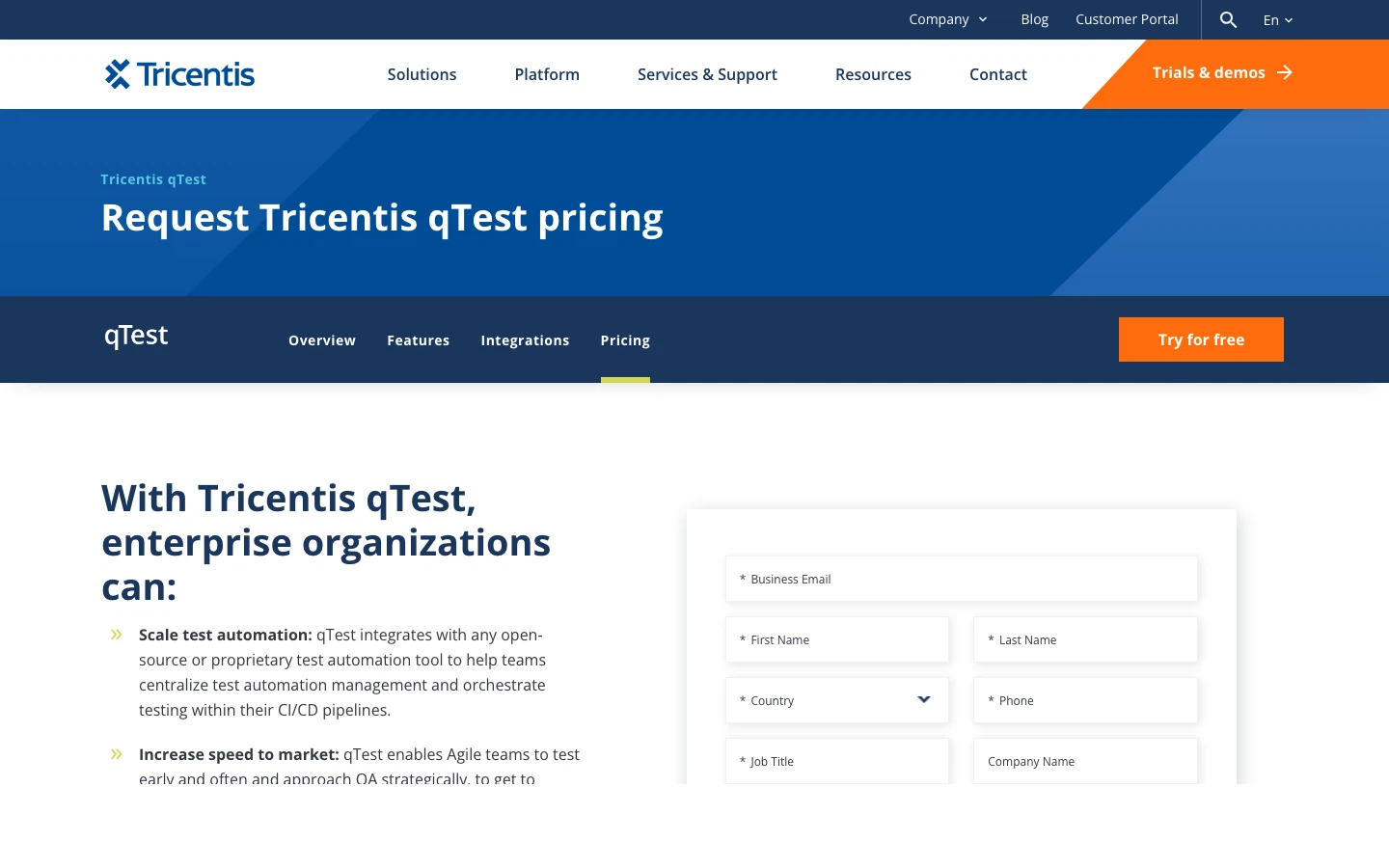
Fully quote-based. Entry: ~$1,000/year. Enterprise: up to ~$82/user/month. Contact Tricentis sales for accurate pricing.
Pros
- Enterprise-grade scalability and security
- Strong analytics and executive reporting
- Methodology-agnostic: works with any approach
- Modular: buy only what you need
Cons
- Expensive and opaque pricing
- Complex setup and administration
- Overkill for teams under 50 testers
- Heavy sales process to even get started
Bottom line: If you're a large enterprise already in the Tricentis ecosystem or need a tool that scales to hundreds of testers across multiple teams, qTest delivers. Everyone else should look at more agile options.
9. Tuskr - Best Free Option
Tuskr is the best option for teams that need real test management capabilities without spending a dollar. Its free plan is genuinely usable (not a teaser), and its paid tiers are among the most affordable in the market.
Key Features
- Rich test cases with text, tables, and screenshots
- AI-powered test case creation and optimization
- Manual and automated execution (Jenkins, Playwright, Cypress)
- Enterprise security features (audit trail, 2FA, SSO)
- Scales to 250,000 test cases and 250 projects
Pricing
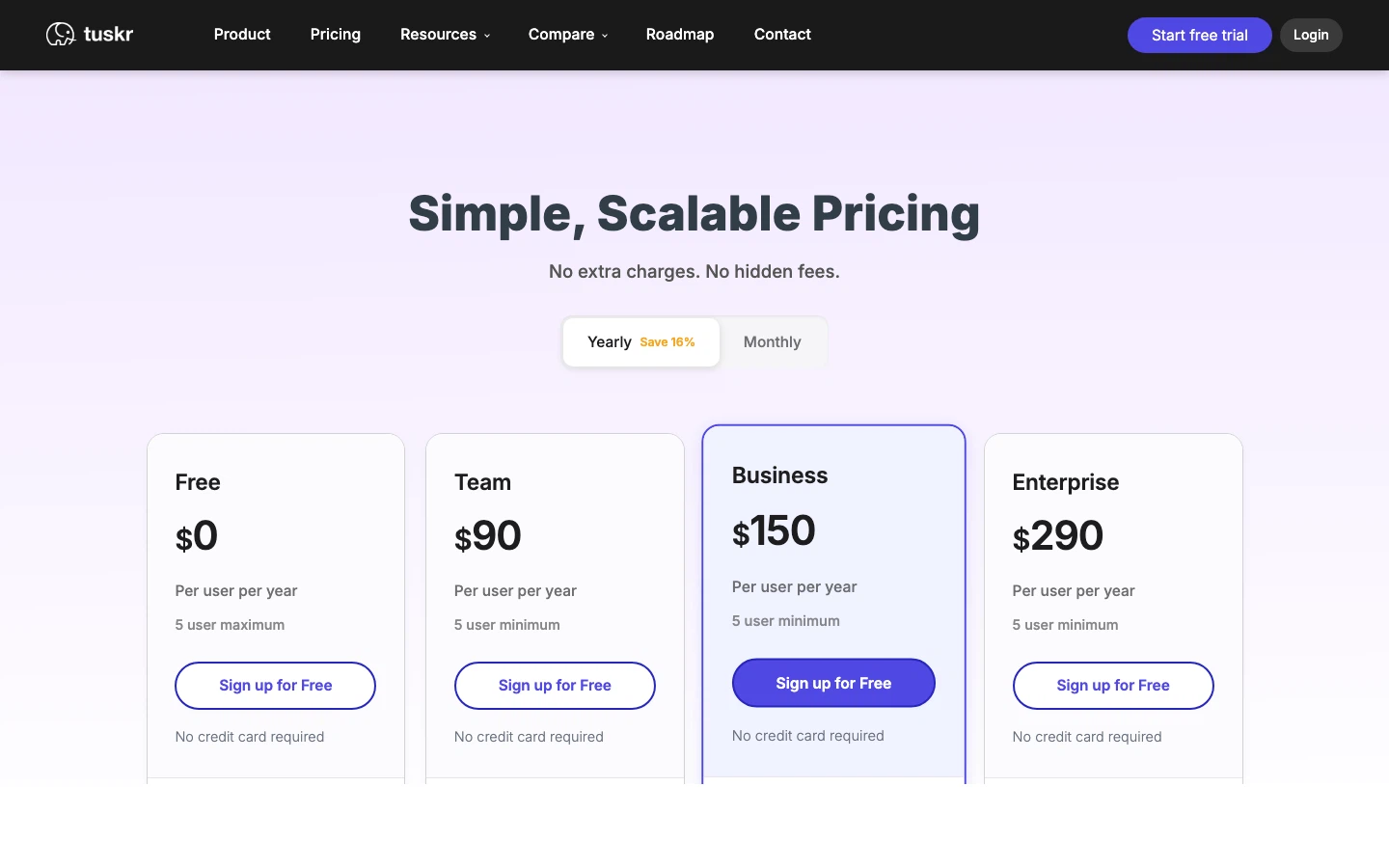
Free plan with generous limits. Paid: $9/user/month to $29/user/month across four tiers. 30-day trial on all plans.
Pros
- Most generous free plan in the category
- AI-powered test case creation
- Very affordable paid tiers
- Clean, intuitive interface
Cons
- Smaller community and ecosystem
- Fewer third-party integrations than established tools
- Less enterprise market presence and recognition
Bottom line: The best starting point for teams with zero budget. Tuskr proves that free doesn't mean feature-poor - you get AI generation, automation support, and solid security even without paying.
10. Allure TestOps - Best for Automation-First Teams
Allure TestOps (by Qameta Software) is built for teams where automated tests are the backbone of the QA process. If your test suite is 80%+ automated and you need a platform that treats automation results as first-class data, this is it.
Key Features
- Smart test cases that auto-update from automated test run results
- 100+ testing framework integrations
- Run automated tests directly from the platform
- Real-time execution tracking and analytics
- Cloud and self-hosted deployment
- Natural upgrade path from Allure Report (open source)
Pricing
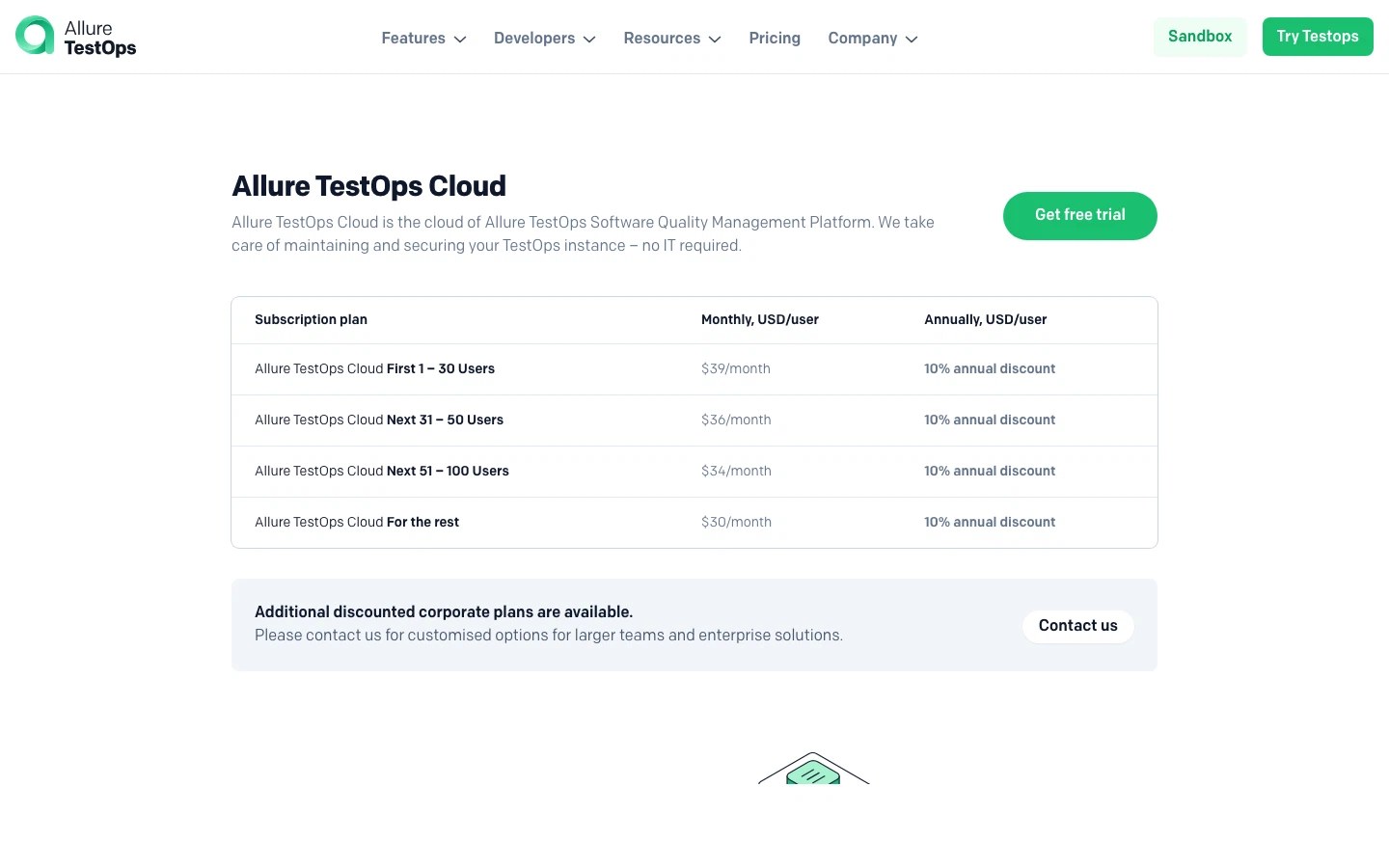
Cloud: $39/user/month (1–30 users), $30/user/month (101+). 10% annual discount. Self-hosted also available. Free trial, no credit card.
Pros
- Best-in-class automation integration (100+ frameworks)
- Smart test cases that stay in sync with your codebase
- Strong CI/CD pipeline alignment
- Seamless upgrade from Allure Report OSS
Cons
- Expensive at small team sizes ($39/user)
- Not designed for manual-testing-focused teams
- Steeper learning curve
- Smaller market awareness
Bottom line: If automated testing is your primary workflow and you want your test management tool to reflect that, Allure TestOps is the most automation-native option available. Teams already using Allure Report will feel right at home.

Written by
QA Sphere TeamThe QA Sphere team shares insights on software testing, quality assurance best practices, and test management strategies drawn from years of industry experience.