
What We Learned at Agile Testing Days 2025: AI, Agents, and the Human Side of Testing

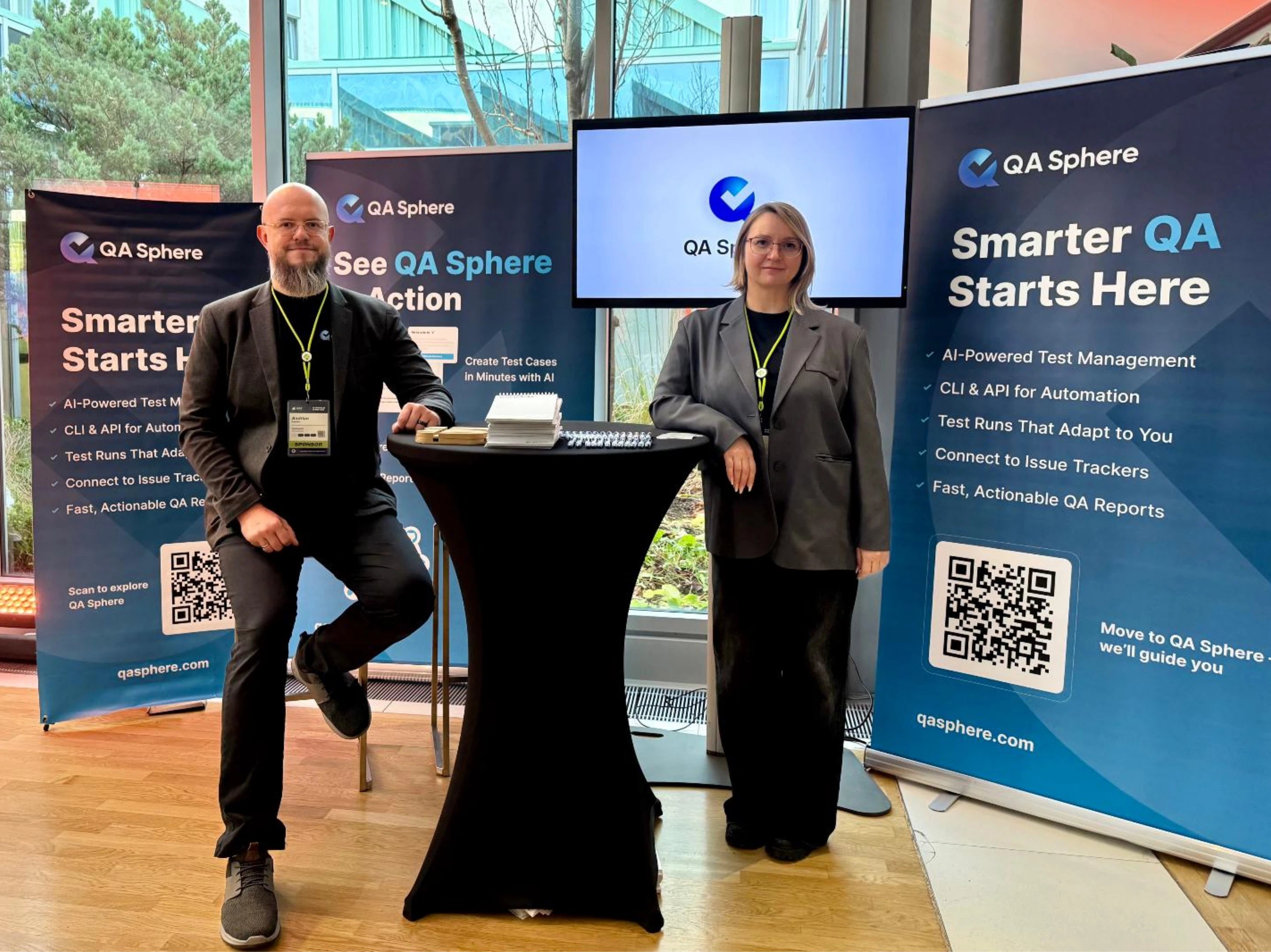
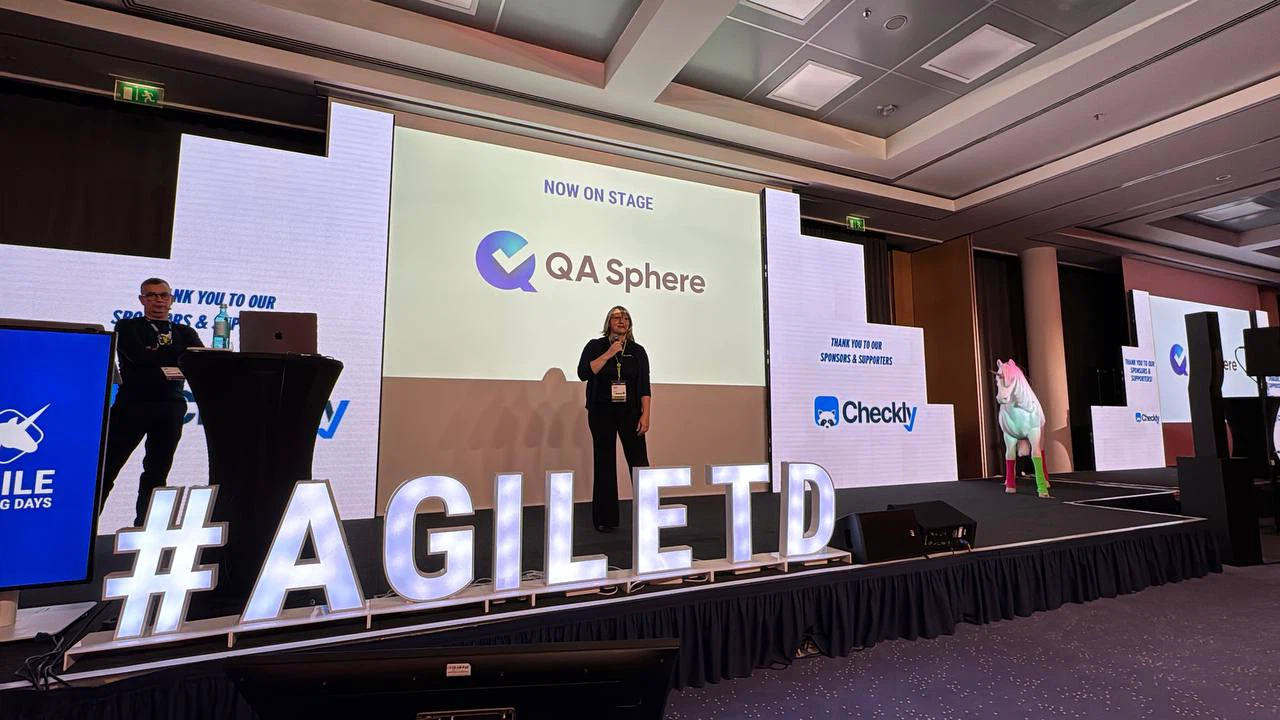
We attended Agile Testing Days this year as an event sponsor and had a booth in the vendor area, where we spent the week giving demos and speaking with dozens of teams. Being there in person was a valuable reminder of why these events still matter—conversations flowed more naturally, ideas felt more alive, and it became clear that the testing community is entering a new phase shaped by AI yet still firmly grounded in human judgment.
The Rise of Agentic Testing
A major theme throughout the event was the rise of agentic testing. Many talks compared today's excitement to the early days of automation, when teams were experimenting with tools that later became industry standards. The same mix of optimism, uncertainty, and bold predictions is back, only this time the conversation revolves around AI agents capable of exploring systems, making decisions, and assisting with test design. It's clear that something is shifting, even if no one fully agrees yet on what the new normal will look like.
AI in Development: Ambition Meets Reality
A similar trend appeared in sessions about development. Some presenters suggested that "agentic coding" may eventually redefine how software is written, sometimes implying that much of programming is becoming a solved problem. The ambition is impressive, but many open questions remain about reliability, oversight, and responsibility.
Balancing Enthusiasm and Caution
The broader discussions around AI reflected both enthusiasm and caution. Many talks showcased what AI could unlock in testing, while others focused on its blind spots — issues of transparency, risk, ethics, and trust. It was refreshing to see that the conference wasn't driven by hype; the tone was more thoughtful, with plenty of space for doubts and honest conversations.
Standout Moment: AI as an Air Fryer
Among all of this, Angie Jones delivered the talk that stood out most for QA Sphere delegates. She compared AI in testing to an air fryer—a transformative tool that requires proper understanding to use effectively. Her creative cooking-recipe-style presentation emphasized providing AI agents with comprehensive project information, clearly defining boundaries, and adopting agents promptly as they become the industry standard. Jones stressed knowing what you want and don't want agents to do, positioning early adoption as crucial for staying competitive in testing's evolving landscape.
People at the Center
Across the conference, one idea kept resurfacing: even as AI becomes more capable, people stay at the center of testing. Humans will guide how AI is used, define boundaries, and evaluate results. They'll test AI systems themselves, which require new methods and deeper understanding. And they'll continue to focus on the parts of quality that only people can truly judge—clarity, trust, accessibility, and the overall human experience.
Looking Ahead
The atmosphere of the event was a blend of curiosity, skepticism, and hope. Attendees weren't chasing the newest tool; they were asking better questions about responsibility, long-term impact, and how to keep testing meaningful in an AI-driven world.
Leaving Agile Testing Days, we felt that the future of QA won't be defined by agents alone. It will be shaped by the people who choose how to use them, how to question them, and how to protect the human side of quality. And as sponsors of the event, we were especially glad to be part of these conversations—the ones that reminded us what truly matters in the years ahead.